
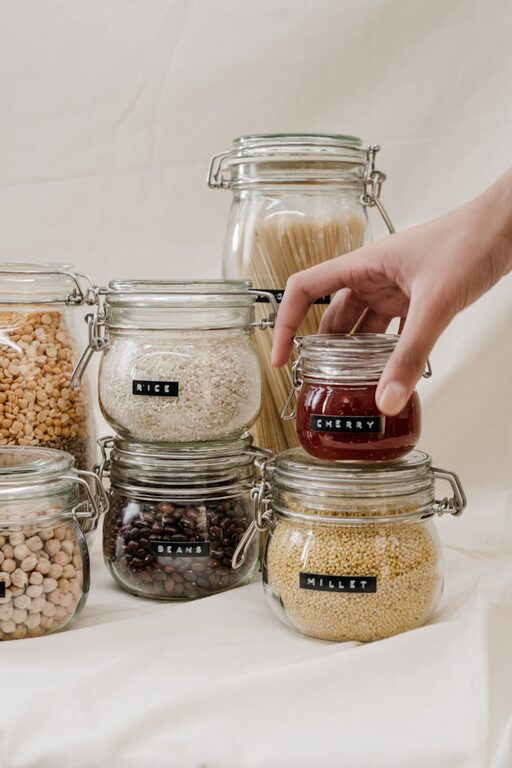
Planning meals from pantry staples is a practical and budget-friendly way to keep your kitchen stocked and your meals hassle-free. When you know how to make the most of what’s already in your pantry, you can save time, reduce food waste, and avoid last-minute trips to the store. This guide will walk you through the steps to effectively plan meals using common pantry ingredients, plus some helpful ideas and tips to get you started.
Why Plan Meals Around Pantry Staples?
Pantry staples are non-perishable or long-lasting foods you usually keep on hand. Examples include canned goods, dried grains, pasta, beans, spices, oils, and baking essentials. Planning meals with these items offers several benefits:
– Convenience: You can quickly prepare meals without waiting for fresh ingredients.
– Budget-friendly: Using pantry staples reduces the need for fresh groceries and cuts down food waste.
– Versatility: Many pantry staples form the base for a variety of recipes and cuisines.
– Emergency-ready: When unexpected situations arise, you have food ready to go.
Step 1: Take Stock of Your Pantry
Before meal planning, it’s important to understand what you have. Follow these tips:
– Organize your pantry: Arrange items by category such as canned goods, grains, baking supplies, etc.
– Check expiration dates: Toss anything expired to keep your food safe.
– Make a list: Write down what you have including quantities. This will help you plan effectively.
– Identify staples you use often: This could be pasta, canned beans, rice, tomato sauce, or dry spices.
Step 2: Think About Meal Types You Can Prepare
Once you know your pantry inventory, consider the types of meals you can create. Here are some common meal ideas using pantry ingredients:
– Pasta dishes: Use dried pasta paired with canned tomatoes, olive oil, garlic, and spices.
– Rice bowls: Combine rice with canned beans, vegetables, and sauces.
– Soups and stews: Create hearty soups using canned broth, beans, vegetables, and seasonings.
– Stir-fries: Use rice or noodles and mix with canned vegetables or sauces.
– Baked goods: Pantry staples such as flour, sugar, baking powder, and canned fruit help with quick bread or muffins.
– Snacks and sides: Homemade chips from tortillas or popcorn kernels can be stored easily.
Step 3: Plan Your Weekly Meals and Make a List
Now, draft a weekly meal plan based mainly on your pantry staples. Here’s how:
- **Select recipes you want to try:** Search for simple pantry-based recipes online or use your favorite cookbooks.
- **Mix and match:** Combine ingredients in creative ways to avoid monotony. For example, you can turn canned chickpeas into hummus one day and toss them in a salad another.
- **Include fresh or frozen produce:** Supplement pantry staples with easy-to-store fresh items like onions, garlic, or frozen vegetables.
- **Write down ingredients:** Make a shopping list of any items you need to buy fresh or restock.
Example Meal Plan:
| Day | Meal |
|———–|——————————|
| Monday | Pasta with tomato sauce |
| Tuesday | Rice bowl with black beans |
| Wednesday | Lentil soup |
| Thursday | Chickpea stir-fry with rice |
| Friday | Tuna salad with crackers |
| Saturday | Vegetable and bean chili |
| Sunday | Homemade banana bread |
Step 4: Tips for Maximizing Your Pantry Staples
– Invest in quality staple ingredients: Good olive oil, vinegars, and spices elevate any dish.
– Rotate your pantry stock: Use older items first and place newer ones behind to minimize waste.
– Batch cooking: Prepare large quantities, freeze portions for later, and save time on busy days.
– Experiment with spices: Change flavors dramatically by varying herbs and spices.
– Keep some fresh basics handy: Garlic, onions, and lemons can brighten pantry-based meals.
Step 5: Sample Pantry Staples to Keep on Hand
Here’s a list of versatile pantry staples you might want to maintain regularly:
Grains and Pasta
– Dried pasta
– Rice (white, brown, or specialty varieties)
– Quinoa or couscous
– Oats
Canned and Jarred Goods
– Beans (black, chickpeas, kidney)
– Tomatoes (diced, crushed, or paste)
– Canned tuna or salmon
– Olives and pickles
– Broth or stock
Baking Essentials
– Flour (all-purpose, whole wheat)
– Sugar (granulated, brown)
– Baking powder and baking soda
– Yeast
– Cocoa powder
Oils and Vinegars
– Olive oil
– Vegetable oil
– Vinegar (white, balsamic, apple cider)
Dry Goods and Seasonings
– Salt and pepper
– Dried herbs and spices (basil, oregano, cumin, paprika)
– Nuts and seeds
– Dried fruit
Miscellaneous
– Nut butters
– Honey or syrup
– Soy sauce or other condiments
Final Thoughts
Planning meals from pantry staples is a smart approach to home cooking that saves you money and reduces stress. By knowing what you have and flexibly adapting recipes, you can turn simple ingredients into satisfying meals every day. Take some time to organize and plan meals around your pantry next week—you might be surprised how many delicious dishes you can create!
Happy cooking!