
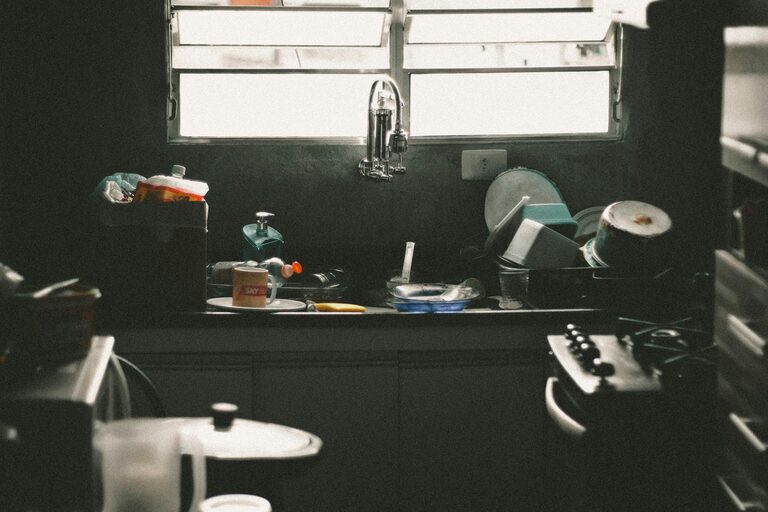
Making dinner is often one of the most enjoyable parts of our day, but the cleanup afterward? Not so much. After preparing a delicious meal and sharing it with loved ones, the last thing anyone wants is to spend a long time washing dishes and tidying up. Thankfully, with a few simple habits and strategies, dinner cleanup can become faster, easier, and even less stressful.
In this post, we’ll explore practical ideas that anyone can apply to make cleaning up after dinner a breeze. Whether you cook every night or only occasionally, these tips can help you reclaim your time and keep your kitchen neat.
1. Plan Ahead: Set Up Your Workspace
Preparation doesn’t stop at gathering ingredients. Setting up your workspace thoughtfully before you start cooking can save you from extra mess later.
– Organize Tools and Ingredients: Have everything within reach to minimize spills or drips as you move around.
– Use Bowls for Scraps: Keep a small bowl nearby for vegetable peels or food scraps to prevent clutter on your cutting board.
– Prep Ingredients in Batches: Chop vegetables and portion ingredients beforehand, which can reduce the number of items needing cleanup.
2. Use Fewer Dishes and Tools
One of the biggest contributors to a lengthy cleanup is having too many pots, pans, and utensils to wash.
– Cook One-Pot or Sheet Pan Meals: Meals that can be made using a single pot, pan, or baking sheet help reduce dirty dishes.
– Reuse Bowls and Measuring Cups: Instead of grabbing a new bowl or cup for every ingredient, try to reuse when possible.
– Choose Multi-Functional Tools: Invest in tools that serve multiple purposes, such as a spatula that doubles as a spoon.
3. Clean as You Go
This classic advice is repeated for a reason—it really works.
– Wash or Soak Dirty Dishes Immediately: Rinse or soak pots and pans right after use to prevent food from hardening.
– Wipe Surfaces Regularly: Keep a cloth or sponge handy and wipe spills and crumbs frequently while cooking.
– Put Ingredients and Utensils Away During Downtime: When waiting for food to cook, take a few moments to put away unused ingredients or wash a few utensils.
4. Use Liners and Disposable Items When Appropriate
While it’s best to minimize waste, using some disposable aids can speed up cleanup.
– Parchment Paper or Silicone Mats for Baking: These create a non-stick surface and can be rinsed or discarded, cutting down on scrubbing.
– Aluminum Foil for Roasting: Line pans with foil to prevent baked-on messes.
– Pre-Cut or Pre-Washed Ingredients: Using these can reduce prep waste and dirty bowls.
5. Have a Cleanup Station Ready
Designate a specific area in your kitchen for washing and drying dishes.
– Keep Cleaning Supplies Accessible: Make sure sponges, dish soap, and drying racks are within arm’s reach.
– Consider a Soaking Station: Fill one side of the sink with warm, soapy water so utensils can soak while you finish cooking.
6. Use Efficient Storage Solutions
Proper storage not only saves space but can also help keep your kitchen organized post-meal.
– Store Leftovers Properly: Use stackable containers to save space in the fridge.
– Label Containers: This prevents confusion and helps you quickly find what you need later.
– Have Dedicated Spots for Common Items: Knowing where everything belongs makes it easier to put things away quickly.
7. Delegate Tasks
Dinner cleanup doesn’t have to be a solo job. Sharing the workload speeds things up and can even be a bonding opportunity.
– Assign Simple Tasks: Kids can clear the table or rinse vegetables; partners can load the dishwasher.
– Rotate Duties: Changing who does what keeps things fair and maintains balance.
– Make Cleanup Part of the Routine: When everyone expects to help, it becomes a natural part of the meal.
8. Keep Your Dishwasher Organized
A well-organized dishwasher helps your dishes come out clean and reduces the need to rewash.
– Load Efficiently: Avoid overcrowding and alternate between large and small items.
– Rinse Strategically: Scrape off leftovers but avoid pre-rinsing too much, as modern dishwashers clean better with a bit of residue.
– Empty Promptly: Remove clean dishes quickly to free up space for new ones.
9. Maintain Your Kitchen Regularly
Regular upkeep prevents mess from piling up.
– Clean Appliances After Use: Wipe down the stovetop, microwave, and counters daily.
– Deep Clean Weekly: Spend some time each week cleaning harder-to-reach spots or appliances.
– Organize Cabinets and Drawers: Keep kitchen tools and ingredients neatly arranged for easier access.
Conclusion
Making dinner cleanup easier doesn’t require major changes—it can start with small, mindful habits. Preparing your workspace, cooking with fewer dishes, cleaning as you go, and sharing the workload all contribute to a smoother process. With these ideas, you’ll spend less time scrubbing and more time enjoying the moments around the dinner table.
By incorporating just a few of these strategies, you can keep your kitchen tidy and make dinner cleanup less of a chore. Try them out and see which ones work best for your routine!